Traditional and Training Collars for Your Pet: A Brief Guide
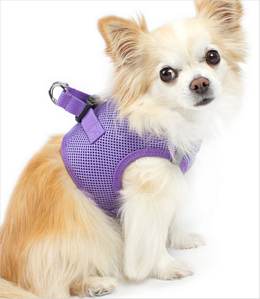
With so many selections of a variety of dog collars, it’s a bit overwhelming to determine which one is the best for your pet; you don’t want them too tight or too lose, especially, and you want to make sure you have the appropriate one for your pet. There are also dogs that require specific collars, so we’re offering suggestions for choosing the perfect dog collar. Check them out below:
Traditional Dog Collars: These are usually made out of nylon or leather, and are available in a variety of styles, colors and widths. Not sure of how loose or tight a dog collar should be? Fitting two fingers easily between the collar and neck will give the right amount of room for movement.
Dog Harness: These are recommended for pets with upper respiratory diseases, which doesn’t place pressure on the throat or trachea area.
For training purposes:
Halter-type dog collar: A great training collar which allows your dog to walk beside or behind you, and helps you with controlling your dog during training of he or she.
Choke-chain dog collar: This is used for training or re-training your pet, but it is very important this collar is used appropriately, because mis-use can harm your dog. Choke collars should only be used for training purposes, nothing further.
Pronged collar: This collar is designed for the biggest and most difficult of dogs to train, which is a last resort collar for those dogs who are extremely difficult to train. As with a choke-chain collar, this should only be used temporarily and to train.
As noted above, there are a variety of collars out there from different vendors for your pet. What collar do you prefer, and which one has worked the best for you?
For more information, copy and paste the link below in your browser:
http://www.petsource.org/dogcare/852-dog-care.html
dog breed, dog training techniques, traditional collar, training collar